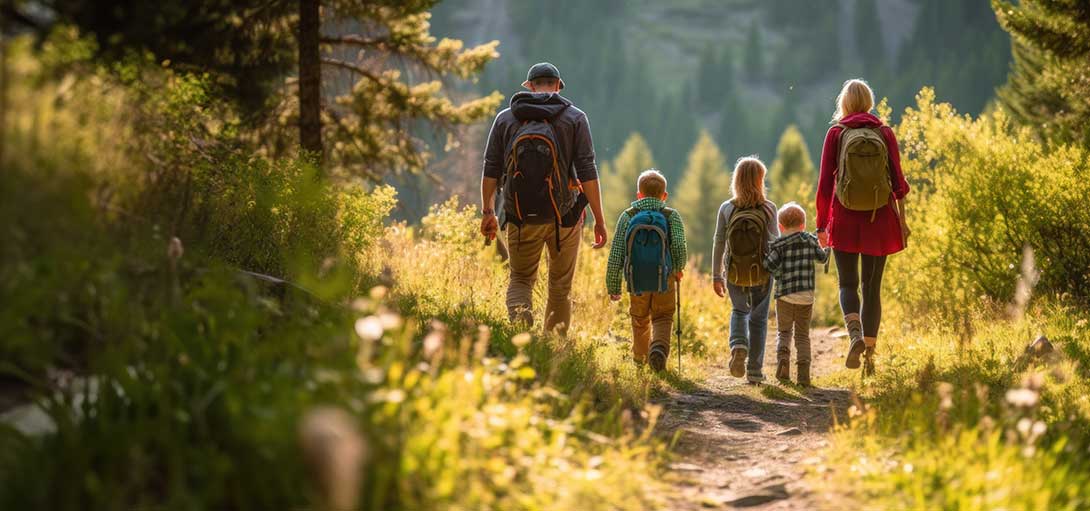
Embarking on your first hiking adventure is an exciting journey, but having the right gear can make all the difference between a memorable experience and a challenging one. This guide walks you through the essentials — from sturdy footwear to the right backpack and clothing that adapts to changing weather — to help you hit the trails with confidence. At the end you'll find a handy packing list to make preparing for your first hike as easy as possible.
Essential Gear
1. Daypack
Why? You need something to hold all your gear that's suited to your body — comfortable, lightweight, and dispersing weight evenly to avoid strain.
Top tip — Pack size depends on hike length and time of year. For starting out, a standard daypack is plenty. Look for options with adjustable back lengths, hip belts, and narrow dimensions if you have a slimmer frame.

2. Footwear
Why? You need grip, stability, and support on the trail to prevent falls on uneven or slippery terrain. Correctly fitting shoes are essential for preventing blisters, lost nails, and keeping your feet dry. Check out our in-depth Footwear Fit & Tips guide to finding your perfect pair.

3. Wicking Base Layers
Why? Base layers keep you dry from your own perspiration by pulling sweat away from your skin and pushing it to the next layer. Some have heavier fabric that adds warmth alongside wicking — your choice depends on personal preference and conditions.
No cotton — cotton soaks up sweat and holds it there. When you stop moving, you'll get cold fast. Long layers also help prevent ticks which can carry Lyme disease.

4. Hiking Socks
Why? Synthetic or merino wool socks act as another base layer for your feet, managing moisture and providing insulation. They wick moisture away, keeping feet dry and reducing friction to prevent blisters.
No cotton — just like base layers, cotton socks will soak up sweat and leave you cold and blister-prone.

5. Water
Why? You'll be sweating and dehydration is dangerous. If it's sunny you'll need even more than you think.
Top tip — Water bladders like the Platypus systems we stock let you sip through a nozzle on your shoulder throughout the whole hike without stopping. We find you drink much more with them, and they distribute weight evenly across your back.

5. Food & Snacks
Why? Hiking burns a lot of calories. Regular intake of high-energy options like trail mix, granola bars, and fruit prevents fatigue and keeps you fuelled, alert, and ready to tackle the trail.
Top tip — Energy pouches are ideal: lightweight, compact, and mess-free. They provide a quick concentrated source of calories and let you refuel without interrupting your hike.

6. Waterproofs
Why? You don't want to be caught at the peak of your hike when the rain suddenly arrives. In Ireland, waterproofs are essential — we wouldn't leave for a hike without them.
Top tip — Garments can say 100% waterproof but there are still different levels. The waterproofing comes from an inner lining with a DWR-treated outer. We'd recommend a minimum hydrostatic head of 10,000mm.

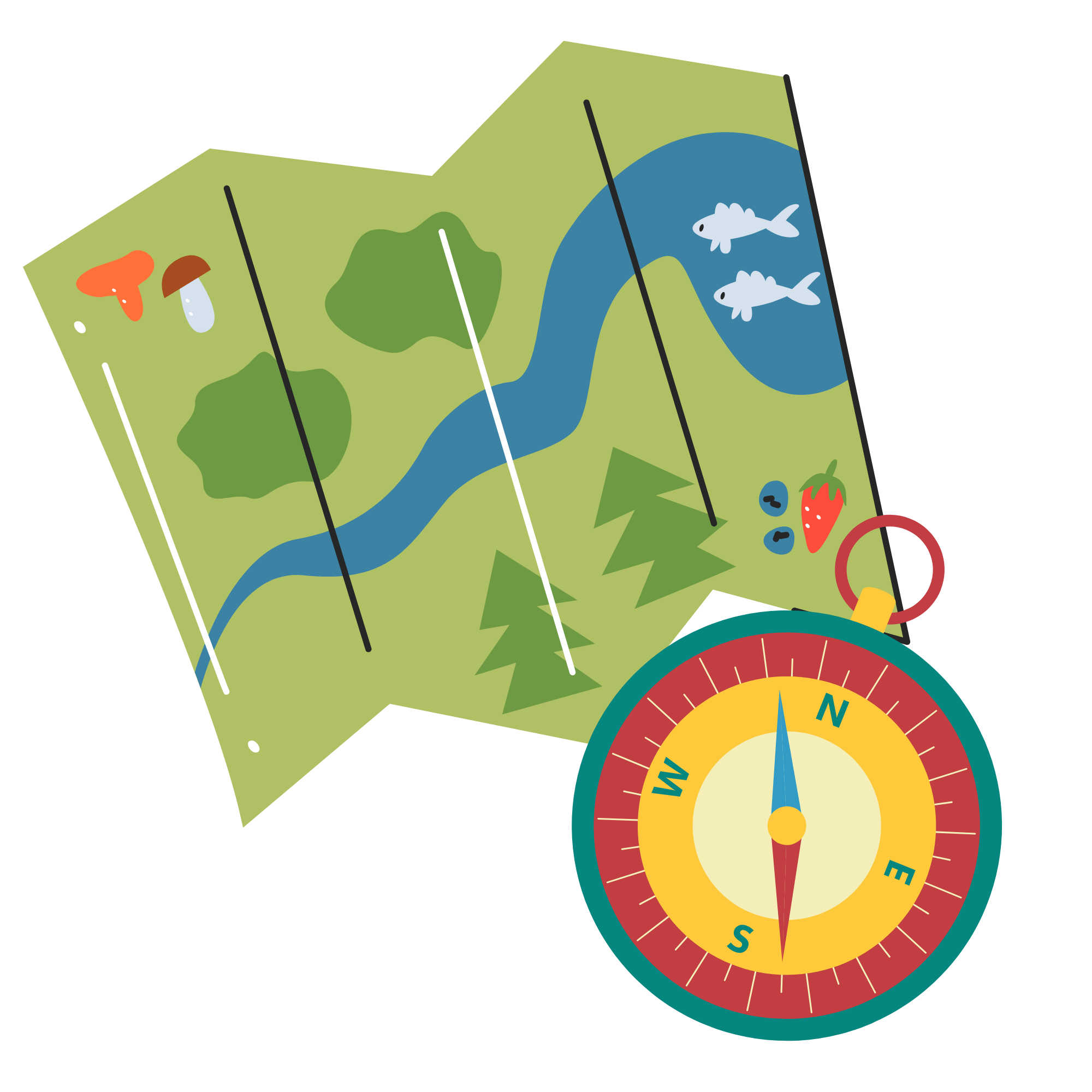
7. Map & Compass
Why? Not every trail is marked well. Weather can change quickly and visibility can drop. In an emergency you need to tell Mountain Rescue exactly where you are — you can't always rely on phone signal or apps.
Top tip — A short mountain navigation course will give you the confidence and skills to be safe on the hills. When starting out, consider joining a hiking group to build experience.
8. First Aid Kit
Why? You're in nature — trips, falls, cuts, and stings are all real possibilities.
Top tip — Pre-packed kits come in different levels. Just throw one in your bag and you're good to go.

9. Bug Repellent
Why? Ticks are rampant in the warmer months and can carry Lyme disease. We also have a lot of biting bugs that thrive in Ireland's warmer, wetter months — save yourself the misery.
Top tip — Wear long layers to add another physical barrier between you and the ticks.

10. Hiking Poles
Why? Trekking poles take pressure off your knees and legs, provide stability, and help increase efficiency on the trail. They're especially useful coming downhill and can be fitted with different tips for different terrain. There are lots of types, weights, and styles to suit your needs.

11. Gaiters
Why? Gaiters go over your boots and the bottom of your trousers, providing an extra layer of waterproofing and keeping debris and dirt out of your boots. Available in different lengths, styles, and waterproofing levels.

Your Packing List
Essentials
- Daypack
- Wicking base layers
- Hiking socks
- Hiking boots / shoes
- Plenty of water
- Food & snacks
- Waterproof jacket
- Waterproof trousers
- Lightweight hiking trousers / leggings
- Fleece / mid layer
- Extra layers
- Map + compass
- Fully charged phone
- Power bank
- First aid kit
- Insect repellent
- Headtorch / flashlight
- SPF
Optional / Weather Dependent
- Trekking poles
- Insulated jacket
- Gaiters
- Gloves
- Beanie / cap
As you gain confidence and experience on the trail you'll put together your own perfect pack. This guide is a starting point to make sure you're best prepared as you take on the trail for the first time.
Need specific help or advice? Pop into our Tralee store or call us on 066 712 6644 — our team will be delighted to help you get trail-ready.